User Comments - jennyzhu

jennyzhu
Posted on: 谋杀案二
July 23, 2009 at 1:08 AM@pinkjeans,
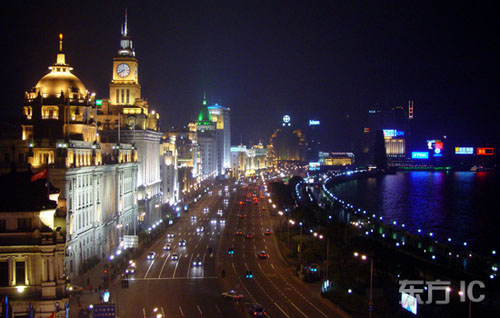
我是在外滩看的。外滩是上海最有代表性的地方,中间有一条黄浦江。(下面这两张照片就是。江的一边是老房子,另一边是摩天大楼)。 虽然昨天下雨,没有看到太阳的变化,可是日全食还是很神奇。天完全黑了,外滩两边的房子都开了灯。我当时觉得活在地球上真幸福。不过也有些伤感,因为这辈子再也看不到日食了。

Posted on: I'm Not Here
July 21, 2009 at 7:52 AMHi guys,
No sweat. The 3-time-repetition at the beginning and the end of the podcast is here to stay. We have and will adhered to it for newbie and elementary lessons. The benefits are very clear.
Posted on: Drinking Game
July 21, 2009 at 7:46 AM@villanueva88,
Although there is some logic in the use of measure words, often there are exceptions (which are also high frequency). As with the case of 只。It's often used to describe small animals, but it's also used to describe certain large animals as well. There are several Qing Wen podcasts coming out soon covering high frequency measure words where we feature both the 'logical' ones and some surpring applications. Don't forget to check them out.
Posted on: Drinking Game
July 21, 2009 at 7:38 AM@xiaophil,
Yes, Changye and Pchenery both gave great explanation regarding the sentence “已经多少年没见了” 。没 +verb+了 is used to indicate present continuous tense. For example, 他三天没来了/ he hasn't been here for three days. If you want to use it in the affirmative, the pattern is subject+verb+了+time. For example,我学中文三年了。
Posted on: Drinking Game
July 21, 2009 at 1:39 AMI digg this lesson. I suspect like many Poddies, it's also my first taste of the very popular drinking game in China. We also did an elementary lesson on another massively popular drinking game, the dice game. Good fun too! http://chinesepod.com/lessons/the-dice-game
Posted on: I'm Not Here
July 21, 2009 at 1:36 AM@carlos_in_irvine,
Thank you for your great suggestion! We can certainly preview a keyword in the beginning of the podcast. We do it from time to time, but it needs to be done more regularly. It will indeed help Poddies piece things together.
Posted on: I'm Not Here
July 21, 2009 at 1:33 AM@joeborn,
In 我要去开会了, the construction is 要+verb+了,meaning something is going to happen very soon. For example, 要下雨了/yao4 xia4 yu3 le/It's going to rain (soon). 我要走了/wo3 yao4 zou3 le/I am leaving.
Posted on: Pinyin Section 4: R
July 17, 2009 at 2:37 PMThank you for your feedback on the Pinyin Program! Incidentally last week, a few colleagues at my radio job made it their mission to teach another colleague how to properly say 热/re4. This particular colleague has a Zhejiang accent and struggles to pronounce 'r'. He says it as a cross between 'l' and 'r'. Makes me appreciate all the more of the effort made by Poddies.
Posted on: Lao Wang's Office 13: Wang Meets the Big Boss
July 17, 2009 at 2:25 PM@raygo,
You can also use 抽象 to describe art. For example, 毕加索是抽象画大师。/Picasso is a master of abstract paintings.
Posted on: What Would You Say You Do Here?
July 23, 2009 at 1:54 AM@bababardwan,
The word for butcher is tricky. Technically, it's 屠夫/tu2 fu1. But that word is often used to mean a blood- thirsty serial killer. In daily speech, we use 卖肉的/mai4 rou4 de/the guy who sells meat or 杀猪的/sha1 zhu1 de/the guy who kills pigs.