yingyueAugust 5, 2019
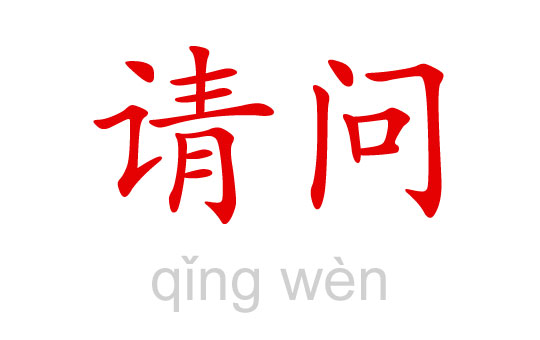
Dialogue of this qing wen:
méi yǒu yī bān yòng zài guò qù shí tài zhōng 没 有 一 般 用 在 过 去 时 态 中
bú yī bān yòng zài xiàn zài huò jiāng lái shí tài zhōng 不 一 般 用 在 现 在 或 将 来 时 态 中
wǒ zài movie madness lǐ méi yǒu cāi chū diàn yǐng de míng zì lái ,suǒ yǐ wǒ méi yǒu dé jiǎng 我 在 movie madness 里 没 有 猜 出 电 影 的 名 字 来 ,所 以 我 没 有 得 奖
tā xiàn zài bú zài jiā 她 现 在 不 在 家
wǒ bú xī yān 我 不 吸 烟
wǒ bú xǐ huān chī tián shí 我 不 喜 欢 吃 甜 食
míng tiān wǒ bú qù shàng kè 明 天 我 不 去 上 课
zuó tiān wǒ méi yǒu qù shàng kè 昨 天 我 没 有 去 上 课
wǒ bú hē jiǔ 我 不 喝 酒
wǒ méi yǒu hē jiǔ 我 没 有 喝 酒
wǒ méi fàng pì 我 没 放 屁
wǒ cóng lái bú fàng pì 我 从 来 不 放 屁
wǒ méi yǒu nán péng yǒu 我 没 有 男 朋 友
míng tiān wǒ méi yǒu kè 明 天 我 没 有 课
GavinHWApril 25, 2019
I like the dialog tab for these, it helps me visualize what they are saying, so I'm a bit sad it's missing.
Is the grammar guide gone? I can't find a link to it.

BeccaChuApril 25, 2019
Hi Gavin,
This lesson belongs to Qinwen series, which does not have a dialogue, sorry about that.
chiarabeijingSeptember 14, 2012
Hello,
I forgot, i also never hear 没会, always 不会. so the main exceptions to the 没=negation in the past rule would be 是,会 and verbs expressing state of mind or feelings? not sure if this makes sense.
Thanks,
Chiara

verazxlSeptember 16, 2012
This is same. No ’没'.
Technically, 能愿动词:会/能/可以/应该/必须,感官动词(feelings):喜欢/觉得/想/认为 Those should always use 不。
chiarabeijingSeptember 14, 2012
Hello, I have a question:
how about negating the verbs 喜欢,觉得,认为in the past? i always hear 不喜欢,不觉得 etc. Could you explain if the negation in the past changes according to types of verbs used?
thank you very much. Your lessons are amazing!
Chiara
verazxlSeptember 16, 2012
Good question.
This type of verb: 喜欢/觉得/认为, doesn't have past tense. so it should always be ‘不'. not '没'

PolyglotTravellerAugust 3, 2011
I'm not sure about (probably I didn't get it), but has there been any example with (没)有 (past tense) in the meaning of "did not have"? How do you express that? Or is it out of the context to differentiate which time is used,... past, present or future?
e.g.:
可以不可以说:“上个星期我没有女朋友,可是现在有。“?
Last week I didn't have a girlfriend, but now I do.

lujiaojieAugust 3, 2011
可以说:“上个星期我没有女朋友,可是现在有。
没有 can indicate "did not have" and "don't have".
比如:
以前我没有钱买Iphone,现在可以买了。
我现在没有钱买Iphone,下个月就有钱买了。

bababardwanJuly 6, 2011
否定
过去时态
将来时态
我在Movie Madness里没猜出电影的名字来所以我没有得奖
我不喜欢吃甜食
我不想发胖
明天我没有课
联系。。。可以说?:
到目前为止我还没听过很多请问课程,可是将来我一定要听了
bababardwanJuly 7, 2011
噢,不需要“了”在句子的后面
哈哈,我已经懂错了这个课程:
https://chinesepod.com/lessons/%E4%BA%86-le-somethings-about-to-happen
”要。。。了“ 的结构
可能这是因为“将来”表示“未来”的意思,不是“马上就来”的意思,对不对?

EmmaLouise1November 28, 2009
@go_manly - Ah okay thanks :) I did notice some other Qing Wens were without PDFs so that's probably why. Thanks for your help :)
Emma

go_manlyNovember 27, 2009
doodlemonster
This lesson is pre- Qingwen PDF days. I assume it was an error to actually include a PDF with this lesson at all.
EmmaLouise1November 27, 2009
Hey guys, just to let you know, the PDF is not longer working. I went to access it earlier and it works fine but there's not actually any content in the PDF! Should I let Catherine? (Our amazing new CPod staff member! ^.^)
Emma
johnsFebruary 1, 2009
This subject is great but I wish there were exercizes for us visual learners so I could really feel sure that I understood this subject thoroughly.
MingmaoJune 8, 2008
Hello, I sought out this Qing Wen in the hopes of having an exception explained, but it was not, in this lesson. Could you explain why the following sentence is correct in using "不" instead of "没"?
我昨天找了他很多次, 他都不在。
What is the rule being employed here?Thank you.

PurrfecdizzoAugust 27, 2012
I want to take a shot at this (at the risk of talking out my .... so please forgive me if I am way off the mark). When I read your example, I can see that the event occured yesterday, so one would think that the rule should be to use 没有 but actually, here we are talking about a situation where 他 is not there in each case. I think, and please forgive me if I am wrong, that the reason is that the 不 is not describing one instance, but all instances. 我昨天找了他很多次, 他(所有的次)都不在. Anyone else with a take on this question?

ewongApril 1, 2008
here is one sentence I read with both 没有and 不:
出 於 神 的 話 , 沒 有 一 句 不 帶 能 力 的.
i think both 沒 有and 不 are used as non-past tense
guikeliJanuary 26, 2008
This was really informative. For some reason I thought "bu" and "mei you" were only used with certain verbs. But now I know that it is with the present, future, and past tenses of verbs.
Thanks so much!
Chris
heruilinJanuary 20, 2008
A very humorous and valuable lesson. Now my homework using the three general rules:
上個星期我沒有太多錢,所以沒有去電影也沒叫外賣。這個星期我也不去電影也不叫外賣。
再見,
何睿林

amberJanuary 8, 2008
hi arthas86,
Maybe you could just rework it a little, and say:
他又懒又没礼貌,所以我觉得他很没用。
Tā yòu lǎn yòu méi lǐmào, suǒyǐ wǒ juéde tā hěn méiyòng.
arthas86January 8, 2008
hi,
is this a correct sentence:
wo3 jue2 de ta1 mei2 you3 yong3 yin1 wei4 ta1 hen3 lan3 he2 mei2 you3 li3 mao4
(I think he is useless because he is lazy and no manners)
leyariceJanuary 1, 2008
I'm afraid that most qing wen files are broken, showing up as being omb in size. Could you please, please fix that?

stephendulaneyAugust 9, 2007
好不好时我们打问间
how close is that to
How is my typing?
I tryed to use the good, not good be by type document
structure Is that anywhere close to correct?

frankJuly 20, 2007
One of the mnemonics that I've used on this is that 没有 (méiyǒu) is sometimes a literal translation from English. By this I mean that 没有 (méiyǒu), by itself, means to "not have," or to "have not." So I just think, "I have not gone to the store," and it just flows in there naturally.
Anyway, this is a brilliant lesson. Thank you, guys. Qing Wen is easily the greatest invention since somebody accidentally combined chocolate and peanut butter.
arivercrosserJuly 20, 2007
Thanks for much for this lesson. Meiyou and bu confused me for the longest time, but now I feel like I've mastered it, thanks to you guys!

henningJuly 20, 2007
I guess those will be the future homes for this topic in the Grammar Guide:
https://chinesepod.com/learnchinese/grammar/structure/simple-sentences/topics/complete-and-partial-negation
https://chinesepod.com/learnchinese/grammar/parts-of-speech/adverbs/types/general
amberJuly 20, 2007
Hi Art!
Yes, I think everyone guessed Movie Madness #7, it's a well-loved classic. Yes, you can be happy cause you have saved your win for when there's a prize you really want! And we're so very glad that you like Qing Wen. There will be a lot more to come :).
artkhoJuly 20, 2007
Amber,
虽然我猜出Movie Madness #7 的电影名字,我没得奖!可是我没失望因为我没得 Dave 的爱。;-)
I am liking 请问 even more. I am having fun learning all of the practical lessons given so far.
Art 许冠俊
artkhoJuly 20, 2007
I learned a few weeks ago that 放屁 also means b.s. So 我不放屁 can mean either I don't fart or I don't b.s. :-)
Art 许冠俊
What did you notice in this lesson?
You are posting as a guest. Your reply is reviewed before it appears. Log in to post without review.