


humanitad-chinaDecember 26, 2011
你们好,“笑容” 跟 “微笑” 有什么差别? 微笑当名词的一个例子:她的微笑/笑容很迷人。这里两个词都可以说吗?谢谢
regularbDecember 26, 2011
很高兴能帮助你,我在五角星汉语学校的老师给我讲过这两个词的区别:“笑容”只能当名词,“微笑”可以当名词,也可以当动词。而且,两个词的意思不太一样,“笑容”做名词的时候,可以指所有笑的表情,比如“微笑”,“大笑”,“苦笑”etc,,但是“微笑”就只能指轻轻地笑了。在你举得例子里,这两个词都可以说。
另外,有问题,欢迎你去www.pentagram-chinese.com提问,我的老师们很愿意帮助大家。或者写邮件到help@pentagram-chinese.com,我想他们会很快回复你的。

gijdfalJanuary 18, 2011
I think there's a mistake in the vocabulary section.
The "要” in 沒必要 should be 4th tone, rather than 1st.


johanchristerssonJanuary 17, 2011
Great lesson and very challenging for me at my current level. I'm a bit curious about the first sentence where there are four third tones in a row:脑海里满, nǎohǎilǐmǎn.
What would be the proper way of saying this?
And yeah, the dad actor rocked, seems like Chinese Pod's IT-department is a great pool for voice actors :-)
/Johan

JohnJanuary 17, 2011
Johan,
In theory, a string of 3rd tones should all change to 2nd tone, except for the final one, which remains 3rd tone. In practice, though, which 3rd tones change to 2nd is largely a matter of how the phrase is grouped by the speaker.
So, if you have a phrase like this:
3-3-3-3
You're going to pronounce it like this, in theory:
2-2-2-3
But in many cases, the speaker breaks the string up into shorter strings using small pauses. So in the above example, you might actually get this:
3-3, 3-3 → 2-3, 2-3
In this dialogue, if you go to the individual sentence audio, you can hear a clear pause in the string of 3rd tones. It goes like this:
我的脑海里,满是你可爱的笑容。(comma added)
So the key part is:
脑海里,满
As expected, you get this:
3-3-3, 3 → 2-2-3, 3
I hope that clears it up!
johanchristerssonJanuary 18, 2011
Thanks for the explanation, it really cleared things up for me especially considering that this has been a problem for me. Interesting how something explained the right way becomes quite obvious afterwards. :-) After listening to the dialogue I can clearly hear the pause and phrasing. Thanks again!
/Johan

shi3ke4li4May 24, 2011
John,
Thank you for the explanation. That is one I can understand and remember.

lnclnJanuary 14, 2011
“瞎玩” 这个词先有一个形容词 ”瞎” 然后加一个动词 “玩”, 瞎表示玩的怎么样。 中文还有其他用 “瞎” 的例子吗? 比如: 瞎找,瞎吃,什么的?
谢谢你们, 这个对话很有意思,很有用!
connieJanuary 16, 2011
"瞎玩"表示乱七八糟地玩,没有目的,没有计划地玩。
eg, 快回家做作业,别在外面瞎玩浪费时间。
"瞎+动词",还有:瞎找,瞎吃,瞎喝,瞎说,瞎写,瞎弄,瞎看,瞎唱(唱歌),瞎拍(拍照),瞎折腾...等等。
worldcircuitJanuary 14, 2011
对了,父亲的演员是哪里人?
connieJanuary 14, 2011
1. "细腻"还可以形容人的感情、心思、皮肤,产品的做工等等。Expansion里有三个例句,你可以看一下。
2. "严格",英文是strict. 经常跟"纪律、标准、制度"等词搭配使用。
他是一个很严格的老师。(指他要求很严格,比如要求学生一定要按时完成作业。)
"严肃"一般用来形容表情、气氛、场合等。
他是一个很严肃的老师。(指他表情很严肃,不太笑。)
"严重"不可以指人,经常用来指事情、问题、生病等。
考试作弊是一件很严重的事情。
3. "顾得上"指有时间来做一件事。
"跟得上"指能追赶得上别人。
4. "大事不妙"是个固定说法。
但"大事"本身可以指不好的大事,也可以指好的大事。具体意思由语境来决定。
结婚是件大事,应该跟父母商量一下。(指好事)
"大事不妙"跟"出大事"的意思一样。
worldcircuitJanuary 14, 2011
除了文采,什么东西也可以使用“细腻”来形容?严肃,严格,严重。。。简单来说什么区别?顾得上vs。跟得上。。。简单来说什么区别?大事不妙。。。是不是四个字固定搭配呢?能不能单说“大事"去说明同样的坏事?如果单独的说"大事"肯定指着不太好的事?大事不妙。。。出事,什么不一样?

henningJanuary 12, 2011
After that word analyis for 脑海, I am haunted by pictures of a sea of brains...

jrudyJanuary 12, 2011
sea for brains.... i like it! a much more amiable term to dole out than suggesting one has a different 's' word for brains, 是不是?

billJanuary 13, 2011
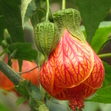
I rather see 脑海 as describing the expansiveness of the "mind." It's a nice metaphor given all that life originated in the sea. It reminds me of 老子.
alexlexiluJanuary 14, 2011
Makes me think of the ocean in our minds, the countless discoveries you can find in its dark bottom if you plunge deep enough... it is limitless and vast, most of it forever will stay hidden... what a beautiful and poetic picture.

kimiikJanuary 17, 2011
Apparently, it's possible to dry the ocean of the heart (擦干心海) but not the ocean of the brain (擦干脑海). I wonder what makes the mind so "desiccant proof".


alexyzyeJanuary 11, 2011
I think the son is gay, otherwise he would be using 妳 instead of 你 in his love letter. Or perhaps he is the recipient of the letter.
BTW, what is the minimum age of consent in China?

podsterJanuary 11, 2011
你 would not be ambiguous if the addressee is receiving a private letter, right? I mean, if its a girl she knows she's a girl. When is 妳 ever used anyway? In direct quotation? It's certainly not as universal as the distinction between 他 (男) / 她 (女)。
user271828January 11, 2011
就为了一封情书,没必要吧!
Could we also use 不必要吧 in this sentence? I'm confused why 没 is used for negation - it's not necessarily referring to a time in the past right?
jjinfranceJanuary 11, 2011
没必要 si short for 没有必要 (there is no need), so here it's not right to say 不必要吧
connieJanuary 11, 2011
"没必要"和"不必要"都有,它们的用法跟时间没有关系。有时候可以互换,有时候不可以。
"没必要"经常用于"做什么事没必要" 或者 "没必要做什么事",也可以单用。"没必要"可以用"不必要"代替。
比如:
就为了一封情书,没必要吧!
我觉得买车没必要。
你没有做错,没必要道歉。
"不必要"还可以修饰名词。"不必要+的+Noun", 不可以用"没必要"。
比如:这么做会带来很多不必要的麻烦。
我们要减少不必要的花费。
JohnJanuary 12, 2011
Very good explanation indeed.
Another way to explain it, using translation, is:
不必要 = unnecessary
没必要 = there is no need

mikeinewshotJanuary 11, 2011
Some may find useful some words I picked out from the discussion - I hope they are correct. Dictionary entries courtesy of http://www.mdbg.net/chindict/chindict.php
害羞 hàixiū blush / shy
诗意 shīyì poetry / poetic quality or flavor
装满 zhuāngmǎn to fill up
牙齿 yáchǐ dental / tooth / CL: 顆|颗
当权 dāngquán to hold power (??)
不经意 bùjīngyì carelessly / by accident
文章 wénzhāng article / essay / literary works / writings / CL: 篇, 段, 頁|页
描写 miáoxiě to describe / to depict / to portray / description
仔细 zǐxì careful / attentive / cautious
真诚 zhēnchéng true / sincere / genuine
自豪 zìháo (feel a sense of) pride / to be proud of sth (in a good way)
生动 shēngdòng vivid / lively
打架 dǎjià to fight / to scuffle / to come to blows / CL: 場|场
偷 tōu to steal / to pilfer / to snatch / thief / stealtily
初中 chūzhōng junior high school
家长 jiāzhǎng head of a household / family head / patriarch / parent or guardian of a child
疑问句 yíwènjù a question (gramm.) / an interrogative sentence
健身 jiànshēn physical exercise / gymnastics for fitness
超出 chāochū to exceed / to overstep / to go too far / to encroach
正常 zhèngcháng regular / normal / ordinary
范围 fànwéi range / scope / limit / extent / CL: 個|个
作弊 zuòbì to practice fraud / to cheat / to engage in corrupt practices

hiewhongliangJanuary 11, 2011
Love tangle - the early years?
小伙子的名字是沈佳伟还是冯帅呢?等不及下一节!/Is the boy's name Shen Jiawei or Feng Shuai? Can't wait for next episode!
What did you notice in this lesson?
You are posting as a guest. Your reply is reviewed before it appears. Log in to post without review.