olivier.pinconJuly 21, 2011
Hi ChinesePod,
It seems that the "Lesson Dialog MP3" redirects to some XML file, not an MP3?
Thanks for looking into it!

euphoniesOctober 1, 2009
Though I only saw it now, I LOVED this lesson and smiled throughout! Contemporary thought/issues and the way China views it's own countrymen seems so much more compelling to me and my daily life than some of the other more advanced lessons focused on ancient China. I tend to more readily skip over those ones eventhough the acting is super funny. Anyway, thanks so much for this one! Can I put in a vote for more of these media ones? :)祝你们中秋快乐,阖家团圆!
johnsjzSeptember 20, 2009
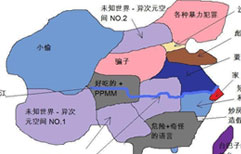
在北京和上海人的地图里, 都将东北说成"各种暴力犯罪"和"妓女的老家". 这里是否有点太片面化了? 不知各位的经历是什么, 可以share吗?你们对云南一带有什么偏见?
samzhangshiminMarch 18, 2009
pearltowerpete
sounds you are too senstive, it really depends as I think.
比如,对文革那段历史,官方媒体也是给予揭露和批判.
but do not attack the Party and the Party leadship and it's political form.
I am a local Chinese, but I am not a Party member, not so many people want to get that membership.
To Changye,
虽然我们知道那段不愉快的历史,但是对于很多现代的知识分子来说,并不对日本人有偏见,相反却认为日本人更有礼貌,也更有修养.

changyeFebruary 3, 2009
国家领导人一般不能轻易用“让步”这个不好听的词语。老百姓听到"我国让步"就很不高兴。与此相反,“求同存异”很好听,听起来很有道理,也很有说服力,这就是一个方便好用的代用词。

pearltowerpeteFebruary 3, 2009
Hi changye
I thought of that sad irony myself.
But please, all, let's not get too much into the sensitive political analysis when writing in Chinese. I am a mega-fan of political discussions. But the reality of modern China is that there is a big mean firewall, and a bunch of upwardly mobile grad students willing to search for reactionary posts to earn their Party membership.
We all like to express our minds as much as possible, but we don't want to do anything to bring in the Net Nanny and get CPod shut down.
And let's all wait for the day when our discussions are limited only by our imaginations, and not by our fears.
changyeFebruary 3, 2009
哎呀,没想到是个官方成语!我看,这个句子好像就是一种《黑猫白猫论》吧。讽刺的是,这条新成语诞生的第二年(66年)中国人民就开始文革,轰轰烈烈的红卫兵根本不讲究求同存异的精神。
pearltowerpeteFebruary 3, 2009
Hi changye and miantiao
Who knew that the People's Daily could be a source of proverbs and wisdom?


alearnerandeducatorFebruary 2, 2009
应该搞一张中国人眼中的世界地图,那会更有趣的,比如:
美国-恐怖分子青睐地
日本-残忍的民族 (当然日本也有好人,但大多数中国人不喜欢日本人)
澳大利亚-旅游胜地+人少
俄罗斯 - 苏联老大妈的故乡
....
changyeJanuary 25, 2009
Here is an interesting map: 中国汉语方言地图 (Chinese Dialects Map). Click the map to see a large one (it's too large, though). Actually, the area where so called "southern dialects" are used is not so large.
http://www.uijin.idv.tw/download/%E5%9C%B0%E5%9C%96/%E4%B8%AD%E5%9C%8B%E6%BC%A2%E8%AA%9E%E5%9C%B0%E5%9C%96.jpg

bababardwanJanuary 24, 2009
我在哪里?我迷路了
I never knew China map was seen as looking like a rooster,but now that it's been pointed out I can see that Beijing is at the throat and Shanghai is at the chest,and Harbin the eye.I wish I could read the 3 diffent views of the map.Very interesting stuff.I know Irelands map is meant to look like a
羊。

miantiaoJanuary 21, 2009
matt
我本来的计划是开设餐吧,进口袋鼠肉,开设家澳洲特色餐吧。其实我还有这个志愿。我刚来中国那时候口语很差,而且有8年没读汉字。所以说那是我就重新学,学过的中文差一点都没有了。想要进行开个餐吧的话,就必须牺牲我亲爱的车子!对我们bogan人来说就是个极端错误。呵呵
changyeJanuary 21, 2009
Hi miantiao,
你小心点,万一四川火锅店的辣妹发火的话,男人好像无法对付!在我看来,中国女性,特别是汉族女人都很厉害。但是,看样子还是有“等级”!
Hi matt_c,
谢谢你。我虽不抽烟,但很喜欢“烟酒不分家”这一句。

matt_cJanuary 21, 2009
@Miantiao 你中文水平那么高就不能算太Bogan了吧。我在上海也买不到Bundy,下次回来一定会带一大瓶。我每次从澳洲回到中国就喜欢带几瓶澳洲的红酒。(我老婆老说我是个澳大利亚土老冒 哈哈哈)
miantiaoJanuary 21, 2009
matt
你好像算是个啤酒专家哦。麦芽 是不是hops,wheat shoots的意思?我这个老bogan不常喝啤酒,所以说没资格来评论,喝的话我经常喝VB,绿罐。在成都买不到澳洲朗姆酒bundy,落熊啊!哪里有落熊?
matt_cJanuary 21, 2009
@changye 青岛啤酒也有很多酒精度高一点的啤酒。比如:青岛纯生(4%), 青岛黑啤(其实青岛黑啤也有不少种类,其中有一个青岛Stout的酒精度有6.7%)。反正如果有机会来上海我可以带你到处去‘烟酒烟酒’。
bartoJanuary 21, 2009
http://140.111.34.46/newDict/dict/index.html
這是我最喜歡的辭典,如果你們要查一個字“臺灣囯語”裏有什麽音,可以在這兒看看。不過他們的拼音有點怪。
miantiaoJanuary 21, 2009
四川美女很多没错,俗称 ‘辣妹’。辣妹不表示四川美女喜欢吃辣的,而是因为四川美女强。虽然男人不坏女人不爱这个说法,可是,四川男人故意不听老婆或女友就会有麻烦了。因此四川话也有一句描绘那种男人,就是 ‘怕耳朵’。这个怕不是害怕的怕,而是soft的意思,所以说 soft ear.我这里搜狗输入找不到那个字。
四川女生皮肤好的原因不是因为经常吃辣的菜,而成都天气一般云,很少很少能看到太阳,于是四川人皮肤很健康.。吃太多辣菜的人平常脸上会长了痘痘(不是smallpox的意思,而是acne)。还有,最近一个中年男性因每周5至6次吃火锅而死了。
吃火锅不仅能享受吃辣的东西,副产品也有,就是能享受辣妹的服务。
matt_cJanuary 21, 2009
@miantiao 我们讲的不是酒精度的情况而是麦芽度的情况。再说,我们澳洲具有很多酒精度在5度以上的啤酒,比如Tooheys Extra Dry Platimun(酒精度:6.5%), Coopers Sparkling Ale (酒精度5.8%), Coopers Extra Stout(酒精度:6.3%) 等等。好像比利时有好几种啤酒的酒精度是全世界最高的。
全世界的啤酒种类有很多,但是我最爱喝的是Coopers Sparkling Ale (酒精度5.8%)和Coopers Extra Stout(酒精度:6.3%)。 其实人们不能一下子喝太多这种酒,因为第二天会很难受 (好像是因为它们是bottle fermented)。
大家知不知道bottle fermented的中文怎么说?
pearltowerpeteJanuary 21, 2009
Hi all
Racism and prejudice are the best way for the ones on top to play the little guys against each other.
To take an example from American history, why on earth would dirt-poor Southern farmers (only a tiny percentage of whom actually had slaves) fight a civil war to preserve slavery on the huge plantations? Rationally, poor farmers would benefit from a free labor market where they didn't have to compete against slave labor. But as long as there were slaves, there would be someone even lower on the totem pole.
People love to have someone to kick around. Our masters know this, and love to give us targets. It takes the heat off them.
changyeJanuary 21, 2009
Hi alexyu_yxi,
Here is the "etymology" of 活 (han4) in Taiwan. Looks like it's a very reliable story. It's just interesting.
http://kbs.cnki.net/Forums/35857/ShowThread.aspx
quote --------------
那么,北京土语“汗”怎么就跑到台湾去了呢?这还要从民国成立之初说起。1919年在《国音字典》上公布了第一个国音标准。这是一个“折中南北,牵合古今 ”的“标准音”。但是在这套“标准音”中,北京语音占有重要的地位。 1937年开始出版、延续多年陆续出齐的《国语词典》在注音上体现了以北京语音为标 准音的原则,字、词注音按照北京话语音系统,所以连词“和”不读hé,而读hàn。1945年10月台湾光复,日语的“国语”黯然退出,台胞急着要回复祖 国的语文,要说国语,要认汉字。1946年4月2日台湾省国语推行委员会正式成立。台湾国语会的标志性贡献是编订《国音标准汇编》,作为推行标准国语的根 据。1946年5月1日起,由“老北京”齐铁根先生每日在清晨7时,在电台担任“国语读音示范”,播讲民众国语读本、国语会话,国民学校国语、常识、历 史、各种课本,供学国语的人收听,匡正语音。当时的学校教师现听现学现教,使广大的学生也能及时学到国语,学习标准的国音。这位齐铁根当时成了家喻户晓的 大师级人物,直到现在上年纪的台湾人还能回忆起齐先生娓娓动听的“京片子”,连词“和”读hàn(“汗”)就此在台湾深入人心。 多年以后的90年代,老舍的儿子舒乙访问台湾,蓦然发现全岛由北到南,由西到东,由大人到小孩,由外乡人到原住民,全会! 全岛2000万人全说国语,真是一个奇迹。舒乙先生特地写了一篇“乡音灌耳”记述访台观感,为台湾推广国语的成就感慨了一番。但是舒乙还是发现了一个发现 台湾所有的人在所有的场合把连词“和”字都念成hàn(“汗”),于是好奇地询问为什么。当时台湾作家何欣解释说:“这是齐铁根先生在电台上教的,他的话 就是法律,怎么教就怎么说了。”舒乙大笑,说:“齐先生使劲使过分了。” 随后,由于台湾和大陆的隔绝,台湾人说的国语成了方言岛,“和”保持了hàn的发音。《国音常用字汇》(中国大词典编纂处1949商务)《汉语词典》(中 国大词典编纂处1995商务)以及《大辞典》(台湾三民书局1985)中都将连词“和”标为hàn的发音。前一阵子来大陆的李敖大师,虽然口音远不是纯正 的北京音,但是他说“和”字的发音的确是老北京土话。 既然“和”(han)是老北京话,那么听不到北京人在说呢?《现代汉语词典》就 没有收录这个读音。其实早在明国初年北京人就已经开始把“和”发成和的音了。上面引用的赵元任先生在《语言问题》的回答,“因为白话文里头,‘和’字当 “跟、同、与、及”的意思用的最多,而照字面‘和平’的‘和’跟‘调和’ 的‘和’用的最多,所以现在成了一个既成事实:就是念白话文的时候,‘这一个和那一个’的‘和’,不照平常说话说han跟hai(轻声),而说hé(我个 人从北京多数派习惯说‘这一个跟那一个’,我根本不用‘和(han或hai)’这个连词,就成了一种习是成非了。不过要明白,连词‘和’读hé的读法是白 话文的一种‘读音’,不是‘语音’了。”
直至今日,北京话中的“和”字读轻声han或hai已经绝迹,但是在某种特殊的情况下重音 hàn却没有完全绝迹。直到现在,如果两个北京胡同串子夸耀哥俩好的特殊关系,就会说“咱俩谁hàn(和)谁啊!”要是强调疑惑不解,北京人也会常常会说 “这都哪hàn(和)哪啊!”《现代北京口语词典》(陈刚等 1997)收录了这一条。举的例子就是“哪儿~哪儿”“谁~谁”。---------------------------
P/S. Please someone look up "活"字 in a dictionary published in Taiwan!

luohaoranJanuary 21, 2009
Xinjiangers playing away from home.
Matt C and Heather make some valid points.
The negative opinion of Xinjiangers is not without base though. In my opinion.
I've spent a good deal of time in many of the larger towns and city's, from Shanghai north to Harbin, across to Xian and also down in Sichuan. Sometimes, for amusement, my friends and I would scan the crowd for a Xinjiang looking person, following their actions for a while. Pretty much without exception they were all up to no good.
So I can well appreciate the consistantly negative attitude from the Han majority. You also have to add to the mix the negative propaganda and the fact that almost non of the Han have met a Xinjianger on his own turf, where I'm sure they are much the same as anywhere else.
I'd imagine the attitude of the average Xinjianger to the Han "ruling their space" would be equally flattering.
Making no assertions or judgements of course.
user1879January 21, 2009
I agree with Matt C about Xinjiang.
When I went to Xinjiang, I actually had the opposite experience. There were three times in Xinjiang when my husband and I left something behind--a bag, a watch, and finally my money holder. Would you believe that each time someone chased us down to return each item? We were on a transfer bus in the middle of the desert about to leave one town for another when our previous driver pulls up to my bus window and asks me, "Did you forget something?" I had no idea, but somehow I had dropped the money holder with all of our money, credit cards, and everything inside his car. My mouth about hit the floor, and he graciously handed it to me. Every bit of the money and all of the cards were still in there intact. What a relief!
In Han areas however, I had things stolen from me--a bicycle, money out of my money bag that was around my neck...I had the opposite experience in regards to what this lesson says about Xinjiang. Go figure!
Heather

alexyu_yxjJanuary 21, 2009
changye
现在汉语的标准普通话里,“和”字发音确实为“he2”(当然还有“huo4”、“hu2”等等差不多6个发音,但那是别的意思),而台湾那边我也并不是很清楚他们官方的发音是什么,只不过听电视上大部分的台湾人讲的都是“han4”,所以我才妄下结论。
在中国的地理上南岭不算什么高山大脉,不过他对“岭南”广东的影响无论是自然的还是政治的,却确实很大,如果没有它,我想我现在的温度估计就不是18度了,呵呵。
我想古汉语中应该是没有翘舌音的,这我有几点证据,除了广东话,比较古老的方言,像1500年的潮汕话和其所属的闽南语系的方言也同样不存在翘舌音,此外,我记得有人说过南方的诸方言里确实也很少见到这种发音方式。
changyeJanuary 21, 2009
Hi alexyu_yxi,
Thanks a lot for your intriguing story about the history of Cantonese. In particular, it never occurred to me that a geographical factor, such as 南岭, is so important in the history of Chinese languages. Incidentally, 儿化 in northern dialects is also said to have been introduced by a northern ethnic group (女真 or 蒙古人?).
Regarding 行 (han4) in Taiwanese, I looked into this issue before in the other thread here in Chinesepod. I'm not sure if it's true, but they say that "han" was originally a dialect sound in Beijing, and it was introduced to Taiwan by 大陆人 (and dictionaries), however the sound "han" later disappeared in Beijing.
alexyu_yxjJanuary 21, 2009
chistudent
其实我的母语也不是广东话,我说潮汕话的。我仅仅只是自我感觉广东话还过关,呵呵。
我现在在广州,在这里只要我听不懂的语言,我一般都会将其归类为客家话,呵呵。我不少客家人的同学说,在他们看来广东话不难学,反而使潮汕话最难学,但我一直说这种语言,于是完全没有感觉他难学,我想这也和中国人看待汉语和外国人学汉语的情况有点类似吧。
P.S.
根据《Newton》杂志的介绍,汉语因为有声调,导致它在被发音时会比其他语言慢大概0.1秒的时间,我以前总抱怨汉语的歌就算是rap也达不到日语一般歌曲的语速,没什么快感,我想着估计就是因为汉语音调的缘故吧。
不过说真的,为了表达同样的内容,汉语可能是“压缩率”数一数而的语言,因为我看很多文章的汉译本会变短,而像日语,则一般会变长很多,因为日语词汇汉字后面还一般带有假名,这无形中加长了纪录载体的体积。
chistudentJanuary 21, 2009
alexyu_yxj您好!
很高兴能在这里认识您。原来您是广东人
我是客家人祖籍广东,所以我也算是广东人吧
其实我是在学广东话,我真的很想学广东话,对我来说很重要(因为我是广东人)
所以有时会议广东话留言(用错字很多,不好意思)
您的广东话的确比我好,所以我要向您多多请教
P.S其实哩度好多人都识广东话架。所以唔怕佢地唔识睇
changyeJanuary 21, 2009
Hi alexyu_yxi,
作为一个日本男人,听你对日本女人的评价那么高我很高兴。可是,你们小心点吧!日本女生看起来比较可爱温柔,平时不大声说话,不过同时却很顽固,又很挑剔。无论是在中国还是在日本,也无论是“红旗”还是“彩旗”,当代女人确实很难对付啊!
alexyu_yxjJanuary 21, 2009
changye
关于喝酒的问题你多虑了,以我自己家为例,夏天里我们还是喝了不少的啤酒的,不过我个人确实不怎么喜欢喝啤酒,相比较而言我倒觉得碳酸汽水或干脆和椰子汁更舒服。
至于女孩子的相貌,我想审美观不同会得出不同的结果的。虽然高挑也很不错,可是北方人同时还粗犷,使得身材在我看来并没有十分好。而相反南方人身材比较纤细,就算有点矮,但这在我看来更像一个东方女性。日本人相比较中国人还是比较矮的,但我和我很多朋友都一致同意日本女性是长的最可爱、对男性最有亲和力的亚洲女性。
changyeJanuary 21, 2009
东北人喜欢(轮流)请客,相反,南方人喜欢AA制。我的东北朋友老说南方人小气。要我说,东北人有点太大方,所以菜量也很“大方”!东北人很爱喝白酒,可能是因为寒冷的气候。听说南方人不太爱喝酒,可我觉得很奇怪。中国南方地区那么热,不喝冰镇啤酒能行吗?如果我的话,活不了几天!北方人身材好,个子也比南方人高得多,好像就是北方美女多这个说法的一个来源。古人也说,“北方有佳人,绝世而独立”。倾城倾国的女士们快来吧,亡国也不可惜!
alexyu_yxjJanuary 21, 2009
刚刚看清楚那幅地图了,原来说的不是“广东人怪”,而是说“广东话怪”。
说到广东话,就不得不提一段中国普通话的历史了。
你知道吗?广东话几乎是中国现存汉语中最古老的一种方言,他有接近2000年的历史,广东省在秦汉时期被称为“南越”,是百越诸夷的聚居地——当然它也属于中国的领土。当当时的中国政府官员来到广东省后,他们将当时的“普通话”带来了广东,此后这种普通话得到普及,于是成了今天广东话的雏形,但已经和现在的十分相似了。此后随着时代变迁,中原地区发生了不少次朝廷更替,并且随着北部少数民族的南迁他们将“翘舌音”带进了汉语——也就是说,本来的汉语是没有翘舌音的,并逐渐将一种日本人现在还在用的“后缀音”(差不多这个意思)消除,如:日语的“中国”读成“ちゅうごく”(chu-goku)里面的“ku”音,使得汉字现在“一字一音”。但广东省因为有南岭的隔离,使得这里的语言一直都变化不大,而被保留了下来。
因此,如果说广东话很奇怪,那从某种意义上是在说“古汉语”很奇怪了。


alexyu_yxjJanuary 21, 2009
广东人不能算“怪”吧,呵呵(因为我是广东人)。
不过在动漫爱好者口里,广州却是被称为“妖都”,不过上海也被称为“魔都”,北京就忘记了,哈哈。
台湾人说得国语和大陆的不同,因为他们的教育体系本来就跟我们大陆的不一样,我们的普通话以北京话为蓝本,他们的不是。读音上表现最明显的我感觉是“和”字,我们大陆这边读“he2”,他们读“han4”,此外还有诸多不一样,比方说繁体中文和简体中文,而且他们说话语气和我们的也很不一样,不过我感觉那样子更舒服。
台湾确实受日本影响很大,毕竟在上世纪开始的50年里都是日本的殖民地,老一辈的岛民受到过正规的日本教育。不过如果说是因为他离日本进的缘故,我倒不怎么赞同。
miantiaoJanuary 21, 2009
讲到谁酒量高的话,我女友的外婆算上一个,她婆差不多90岁,他从少年期有习惯每天三次喝二两枸杞酒,早餐、午饭、晚饭都要喝。他还是每天几次背着果实或别的产品爬山,身体非常强壮健康,而且他抽烟抽得很厉害,他确实很幸运有那么完美的基因。枸杞酒这种酒是烈酒,一般100分之60以上,是自己泡的酒。
connieJanuary 21, 2009
我也听说东北饭店的菜量很大。以前我们有一个老师去东北,他的东北朋友请他吃饭,只点了两个菜,他起先还觉得这个朋友真小气,两个菜怎么够吃。等菜上来以后,他吓了一大跳,只想着怎么把它们吃完。因为菜不是用碟子装的,而是用像脸盆那么大的东西装的。
changyeJanuary 20, 2009
The third map, 四川人眼中的中国地图, in the linked page is much more hilarious (and innocent) than the two introduced in the lesson. My region, 东北地区, is "classified" as "菜量很足". Haha, I agree with this observation, although I don't know much about cuisines/dishes in other regions.
pearltowerpeteJanuary 20, 2009
Perhaps Xinjiang people are known for picking pockets because they are rarely able to 报销 everything from Karaoke to Baijiu, embezzle public funds, or set up crooked construction deals. At the most extravagant levels of corruption, you'll rarely find a non-Han face.
This is a worthy topic, and deserves frank discussion. Far too many people in the West were willing to believe Soviet and PRC propaganda that claimed that these societies had no racial problems. Every society has skeletons in its closet. The only way to get progress is to talk about them honestly.
matt_cJanuary 20, 2009
Despite how easy it is to fall into stereotyping, I really detest the labeling of Xinjiang people as thieves. I am of the opinion that there are thieves from every part of Chinese society, however it is due to the fact that many thieves from Xinjiang appear quite different to your every day Han, hence easier to spot, hence whilst in the act of thieving they are more likely to be noticed. I personally keep my eyes open in every crowd and have seen many cases of people who appear to be Han stealing others' belongings. When I used to live in Suzhou, I recall the old Suzhounese people complaining about the thieves from out of town - 小偷都是外地的 - Well of course they were because thieves from Suzhou would do their thieving in other cities and towns. The old adage, don't soil your own nest, comes to mind.
These stereotypes are very unfair and bespeaks greater socio-economic-racial problems across the board of Greater China.
What did you notice in this lesson?
You are posting as a guest. Your reply is reviewed before it appears. Log in to post without review.