We'll always make sure you know exactly what the lesson is about. You will easily understand whether it is relevant for you.
小太监进宫
Great Hosts
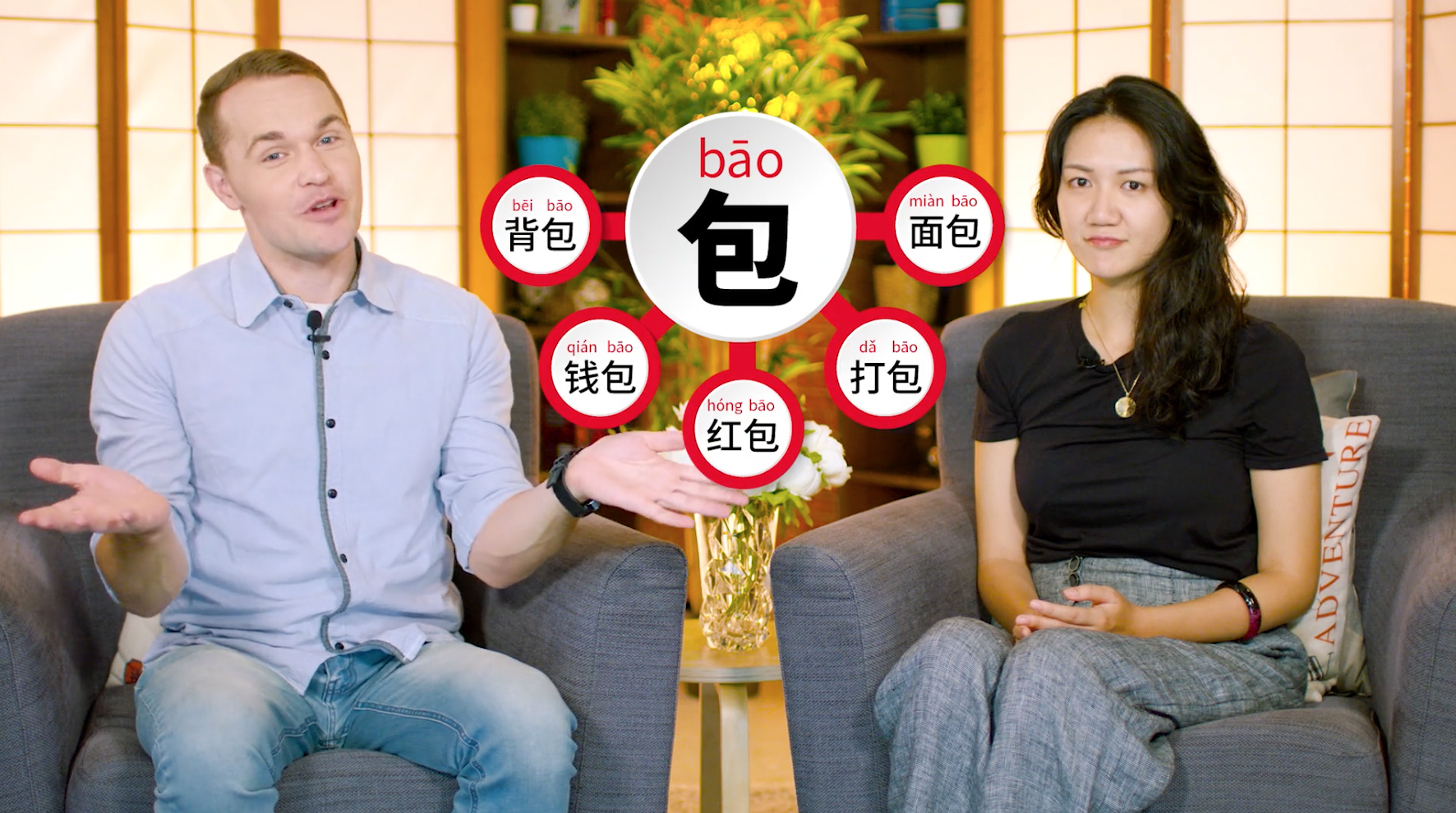
Here at ChinesePod, all our lessons are presented in an entertaining manner by our great hosts. You'll find language learners, teachers, and even professors sharing their insights, ideas, and teaching methods in our video and audio lessons.
Brief Lesson Summaries
A brief introduction of the lesson will always tell you what this lesson is about and what language level is the intended target. If you're interested in the subject, but might not be able to understand it in full, fear not; we have transcripts of lesson dialogues vocabulary so you can follow along.
Our lessons contain natural communication in Chinese in video and audio format. We have have lessons focused on video or a podcast format and our lessons have transcripts of Lesson Dialogues, Important Vocabulary, Expanded Materials for a deep dive into the lesson topic and Exercises focused on testing your retention.
Detailed Vocabulary
Each lesson has it's unique vocabulary and will provide you with definitions and recordings so you can practice the pronunciation. You will also be able to grasp the core material of a lesson at a glance. Here we're showing you the Simplified Chinese version.
Oh Lord, the Dong family won't have any heirs after today! I only have this son-- in the future, you'll have to protect him! Don't blame your mother, my son! Momma did this for your own good!
That's enough. Stop crying. When your son enters the palace with me, I promise to treat him as I would my own blood relative. Plus, he'll be right at the Emperor's side. He'll be living a life of comfort and happiness in no time at all! He'll definitely live better than he would've been at home!
Good. The action should be quick. Don't let the child make a fuss. And you have to take good care of the wound. Don't let him lose a single drop of blood!
Natural Dialogues
Each lesson is centered around a natural dialogue with key vocabulary directly prepared and translated for your use. You can also listen to each sentence as an individual recording to improve your listening and comprehension skills.
Try It For Free
ChinesePod is 100% Free to Try. Create an account today and get started!
Connie,你好, 你又有空帮助我吗?0:34 xianjin5:11 Li Lie Yin, Li? 李?公公5:15 genjin?跟进?宫gēnjìn: follow, follow up5:16 zili ?比较qian?5:57 jixiang?迹象?jìxiàng: mark, indication, sign, indicator6:10 jishi?6:49 哲学和tianwei?天为?学思想6:55 ziweixing? 紫微星?7:40 别来qinfan?侵犯?qīnfàn: to infringe on, to encroach on, to violate9:36 zunbei?尊卑?观念zūnbēi: seniors and juniors9:55 gainianguzhi?说9:57 xiezhulongen?10:26 有zhizheng?的11:03 duqingsheng?11:35 聪明伶俐changxiang?
谢谢!
B
bendidelaowai
Connie, Jenny - Thanks a lot:)) I was away for a while due to problems with my computer, I just made it work and I even don't have Chinese language input installed yet! Sorry for English on this board:)
Hi hotpot2000 and shenyajin,
其实,其他国家有过,但不是因为政治原因而是因为历史原因。
尚未发身的男生声音特别独特,不男不女,很清楚。 这些小男生唱起歌来悦耳动听。为了保持这个不熟的身体状态,中世纪意大利有过阉割这个习惯。家庭贫穷的小孩,阉割了以后就永远不会变声音。这样一来,成年人唱歌能唱的跟小孩儿一样好听。这种歌手很受欢迎,有的蛮赚钱。他们叫做 castrati.
到了十九世纪这个习惯渐渐消失了。但有一位八十几岁的castrato, 十九世纪中旬就阉割了,一直到二十世纪做演唱会,据了解还可以在网上找到他的录音,不知道poddies 有没有听过?
听说著名歌手光良是现代castrato.
B
bababardwan
Pete,
I found a clip [sorry its youtube] of Alessandro Moreschi,the last castrato,here.Apparently the only castrato to make a solo sound recording.It's from 1902,Sistine Chapel,Rome.
P
pearltowerpete
Hi bababardwan,
Thanks! And for poddies behind the cowardly clutches of the Bamboo Curtain, try proxyboxonline.com. It works for me!
Another sad tidbit about eunuchs-- there were periodic spasms of resentment about their power. There are reports of baby-faced grown men (like Moreschi) being killed because they were mistakenly assumed to be hairless eunuchs.
B
bababardwan
Pete,
Deliberate pun on hairless?
P
pearltowerpete
Hi bababardwan,
Ha, don't give me too much credit. My point was that the people who killed eunuchs often assumed that any grown man without any facial hair was a eunuch.
That meant the unjustified killing of some anatomically intact but cleanshaven or babyfaced men.
K
kl00
做太监..........我不活了
H
hebaoli
如果你有自己进出故宫,我提醒 “超越时空的紫禁城”
T
turyr
Я не чрена не понял
R
rhenry
同学们,
请问,这个对话,小顺子说: “。。。不能讨老婆 。。。” 这个‘讨’是不是讨价还价的意思?
谢谢,
_ Ray
P
pearltowerpete
Hi rhenry
这边的“讨老婆” 是个固定搭配,意思就是“娶(qu3)个老婆”。 也许这个说法来自以前中国人有包办婚姻(arranged marriage)的习惯,当时可能要“讨价还价”才能拿到比较好的陪嫁(dowry.) 不过这是我个人的想法而已。
顺便说一下,女生找个老公不叫“娶” 而叫“嫁”-- 她嫁给谁谁谁。
C
changye
Hi pete
当时可能要“讨价还价”才能拿到比较好的陪嫁
你对“讨老婆”的解释很精彩又幽默,我很支持你的看法。很可惜,在当代中国,“讨价还价”已不是男方的专利而是女方的专利。时代变了!
B
bababardwan
Pete,
I wonder if you can clarify a couple translations from the dialogue for me.
End of B's 2nd line: 不能在路上留下一滴血!
...is translated as: "Don't let him lose a single drop of blood.
..My question relates to the use of 路上 and where it fits into the translation.Please correct me if I'm wrong,but what I thought was going on here was that they were about to castrate this poor unfortunate lad,and he was then referring to the fact that after the quick procedure,they'd have to be careful he didn't lose a single drop of blood while he was on the road going into the palace [I'm not sure if this was mainly because the procedure had been done just prior to his trip in,or if the journey itself was also a factor to consider].In B's 8th line where he says "以后的路得靠自个儿走" ,this 路 seems to me to be a more figurative road...life's journey,so I'm not sure if there is something I'm missing in the above translation.
Secondly,I interpreted:
你快来
...in D's first line,as "you quickly come".In other words I thought he was calling out for his mother to come to him.However I see it is translated as "I'm coming for you".Do you mind explaining how I should have realised that?Thanks.
P
pearltowerpete
Hi bababardwan,
Good questions. Actually, the 路上 here means something more like en route (to the palace). But you are right, later on in the dialogue, it's referring to his abstract journey through life, instead of a physical road.
You are right about 你快来。 This came from an edit to the script. I didn't edit the translation accordingly, but I will do so.
And re: your question about 跟 and 和, 跟 is a bit more oral and informal, but both are OK here. The meaning is the same.
B
bababardwan
Thanks Pete for clarifying. :)
R
rhenry
@pearltowerpete, 谢谢你。
S
shanyisheng
郑涸是朋友的皇帝。他的父亲是在法院的皇帝我不知道....山医生
A
andy2222
哈哈,说到太监么,可以说的太多了,首先明确下什么是太监。太监一般是指在皇宫里面给皇帝服务的。皇帝的老婆太多,所以为了太监给皇帝带绿帽子,所以想出了这么一个惨绝人寰的主意,就是破坏他们的生殖器。以前很多人问太监切掉了命根子怎么上厕所,严格的说,其实太监并不是切掉了阴茎,而只是切掉了睾丸,所以并不妨碍他们小便。但是个别朝代,有的太监确实是阴茎也被切掉了,然后在切口接一根竹管排尿,所以有些太监经常尿裤子。
说句公道话,历史上确实有很多出名的大太监,而且名声都不好,最著名的当数明朝的刘瑾和魏忠贤,他们的权力大到可以决定谁做皇帝,主持朝政。然后是清朝的李莲英,但是实际上,绝大部分的太监其本性是好的,是值得同情的,而且很多太监也做出了卓越的贡献。
首先,太监的人生是悲惨的,事实上,很多人都是生存不下去了,才迫不得已选择了这个职业,没有人会生来愿意选择这一行,他们应该是社会和国家,是封建统治者的牺牲品,是弱者。一旦成为太监,很多人就终身失去了自由,只能在皇宫里给别人当一辈子奴隶,所以他们的人生经历充满了悲剧色彩,因此他们值得同情。
其次,太监也是人,也有人的基本道德观和价值观,绝大部分的太监其实是善良的人,对贫苦的阶层和弱者具有同情和怜悯,并且身体力行去帮助弱者,只是哪个历史学家会愿意去记载他们的言行,所以他们的善行很多时候都被遗忘,反而是其中个别的大奸大恶的太监头子,由于他们做的坏事影响力太大,以致决定了国家的走向和历史的发展,所以被很多人所牢记,成为太监形象的代表,从而导致人们对太监的深深的误解。
就如前面大家所提到的郑和和司马迁,都是太监的杰出代表,他们的贡献直到现在还为人们所牢记,所以请正确认识太监,而不要根据自己的道听途说来判断太监的好恶。
hello ,everybody, i am andy, a native chinese speaker who studys history in university now,if anybody want to get some help in chinese ,just tell me,my email is alei198634@hotmail.com and my skype is alei1111,i promise, i will do my best to solve your problem and reply as soon as i see your message.
一些词汇:
富贵 fù guì riches and honor; wealth and social position
职称 zhí chēng title; name (in reference to technical positions)
渺小 miǎo xiǎo(adj) minute; tiny; negligible; insignificant
低微 dī wéi (of sound) low; (of status) lowly; humble
伶俐 líng lì clever; witty
戒心 jiè xīn vigilance; wariness; alertness
先秦 xiān qín pre-Qin, Chinese history up to the foundation of the Qin imperial dynasty in 221 BC
侵犯 qīn fàn to infringe on; to encroach on; violate
咒骂 zhòu mà damn; curse
恩情 ēn qíng loving-kindness; a debt of gratitude
恩典 ēn diǎn [Formal] (a) favor; (a) privilege; an act of grace
尊卑 zūn bēi seniors and juniors
赏赐 shǎng cì to award; to bestow money or presents on an inferior or junior
F
floalvarez
一些词汇:
职別 zhí bié official rank
恶劣 è liè evil
奖励 jiǎng lì a reward; an incentive; a prize
资历 zī lì work experience and qualifications; curriculum vitae
珍稀 zhēn xī rare
宮廷 gōng tíng imperial court; palace
豪华 háo huá luxurious
奢侈 shē chǐ luxury
鱼翅 yú chì shark fin
华美 huá měi magnificent; resplendent; gorgeous
灵活 líng huó nimble; agile
北极星 běi jí xīng North Star; Polaris
广播剧 guǎng bò jù radio drama
大白痴,缺心眼 dà bái chī, quē xīn yǎn Naïve, simple minded and stupid
害人之心不可有 hài rén zhī xīn bù kě yǒu 不要有害人的心思。
F
floalvarez
请问提防的读音是dīfang 还是tí fáng?
L
lujiaojie
提防的读音是dīfang.
F
floalvarez
现在搞清楚了,提防dīfang跟字典的读音不一样。 谢谢!
L
lujiaojie
我们用的《现代汉语词典》也是"dīfang" 哦~
F
floalvarez
妳用的字典是很高深,很专业的那一种。
Replying to
Posting as a guest. Comments are reviewed before they appear. Log in to post right away.
 C

 B
 C
 J
 P
 M
 H
 M
 B
 O
 C
 S
 F
 L