Relevant Content
We'll always make sure you know exactly what the lesson is about. You will easily understand whether it is relevant for you.

Zombies!

Great Hosts
Here at ChinesePod, all our lessons are presented in an entertaining manner by our great hosts. You'll find language learners, teachers, and even professors sharing their insights, ideas, and teaching methods in our video and audio lessons.
Brief Lesson Summaries
A brief introduction of the lesson will always tell you what this lesson is about and what language level is the intended target. If you're interested in the subject, but might not be able to understand it in full, fear not; we have transcripts of lesson dialogues vocabulary so you can follow along.
IN THIS LESSON
ID: 1116 Upper Intermediate
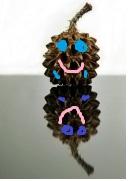
Who's that with the blank stare, shuffling feet, and unholy moan of frustration? Is it someone trying to learn Chinese without ChinesePod? Or is it a zombie? Listen to today's Mandarin podcast and find out-- if you dare.
Awesome Materials
Our lessons contain natural communication in Chinese in video and audio format. We have have lessons focused on video or a podcast format and our lessons have transcripts of Lesson Dialogues, Important Vocabulary, Expanded Materials for a deep dive into the lesson topic and Exercises focused on testing your retention.
Detailed Vocabulary
Each lesson has it's unique vocabulary and will provide you with definitions and recordings so you can practice the pronunciation. You will also be able to grasp the core material of a lesson at a glance. Here we're showing you the Simplified Chinese version.
SIMPLIFIED PINYIN ENGLISH  
僵尸 jiāngshī zombie
道长 dàozhǎng head Taoist priest
补妆 bǔzhuāng to put on makeup
不愧 bùkuì deserve to be called
僵尸道长我要杀死你!
jiāngshī dàozhǎng wǒ yào shāsǐ nǐ!
I'll kill you, Zombie Slayer!
咔!很好,这场戏就拍到这儿。给僵尸补妆。刘老师,演得真好!不愧是头号僵尸演员!
kā!hěn hǎo,zhè chǎng xì jiù pāi dàozhèr。gěi jiāngshī bǔzhuāng。Liú lǎoshī,yǎn de zhēn hǎo!bùkuì shì tóuhào jiāngshī yǎnyuán!
Cut! Great! That's a wrap for this scene. Repaint the zombie. Your acting was great, Mr. Liu! It's no exaggeration to say you're a first-rate zombie actor!
嗯。小娟,来,把我的黑眼圈儿再画得黑一点儿。
ng4。Xiǎo Juān,lái,bǎ wǒ de hēiyǎnquānr zài huà de hēi yīdiǎnr。
Oh. Xiao Juan, come make the rings around my eyes a little darker.
好,老师。为什么僵尸都有黑眼圈儿啊?
hǎo,lǎoshī。wèishénme jiāngshī dōu yǒu hēiyǎnquānr a?
OK, sir. Why do zombies always have black circles around their eyes?
Natural Dialogues
Each lesson is centered around a natural dialogue with key vocabulary directly prepared and translated for your use. You can also listen to each sentence as an individual recording to improve your listening and comprehension skills.
Try It For Free
ChinesePod is 100% Free to Try. Create an account today and get started!

Comments (80)

Discuss in the forum
M
mizzoma
brilliant episode!
L
linyadan
Amazing!
pearltowerpete
Hi all The word 道长 (dàozhǎng) is actually a type of Daoist priest. They are said to be able to take care of zombie problems. Here, I have translated it as "Zombie Slayer" for a bit of cinematic flair.It seemed too awkward for the characters to keep referring to him as "Daoist Priest."
John
I think Pete was just trying to sneak in a Slayer reference. :P Anyway, I think the whole zombie thing is a good example of lower frequency vocabulary that you actually will hear at this level. I have had quite a few discussions in Chinese about zombies over the years...
W
w22222w
道长---道士的领导,牛,很有21世纪的中国特色,赞一个~ 还有, 中国僵尸不是吸血鬼,太逗了,还是咱们中国人民善良~~ 不过,我好像没有听过什么“阳气”,难道是这几年新出现的词?看到很多人在学中文,很高兴哦。革命尚未成功,同志们还需努力,哈    
alexyzye
I think there is confusion here between vampire and zombie. I reckon this episode is really about vampires, not zombies.
U
urcto
hi,w22222w. 看来你很少看鬼神之类的书和电影。“阳气”一直都有的,虽然我们听得更多的是“阴气太重”。魅这种鬼就是靠美色引诱男人,吸阳气损人健康。这个阳气一方面是男人的阳刚之气--气血,一方面也有“阳寿”的意思,或者是活人独有的“气”。
hejun2zeros
My friends and I used to joke around a lot about zombies back when I was in the States, and we'd argue about zombie defense plans: who had the safest house, which stores would offer the best supplies, etc.  Now, maybe I annoy my Chinese coworkers with this same kind of banter!
W
w22222w
hi urcto, 天天努力学英语,弄得连母语都淡忘了,真是不好意思。可能是小的时候看鬼片,被吓怕了,再也不敢看了吧。不过,我倒是想到了《画皮》,虽然现在看来,那个电影并不可怕,但是,小时候,我那幼小而稚嫩的心灵哪里经得起那样的折腾呀(hehe),不过,蒲松龄的故事本身比电影精彩哦~~~
pearltowerpete
Hi alexyzye Any cross-cultural discussion of monsters is going to lose something in translation. But the Chinese word for "vampires" is 吸血鬼, literally, blood-sucking ghosts. As w22222w points out, the traditional Chinese concept of 僵尸 does not suck blood. The 僵尸 is definitely a zombie, although different from what we recognize from stuff like "Resident Evil."
henning
So being a Chinese zombie is not contageous? Are they just as mean as those zombies we are familiar with from documentaries like 28 Days a Later, Resident Evil, or Shaun of the Dead or are they more like cute little creatures?
henning
One English related question: The phrase 太扯了吧 is translated as "That's too far out" - is that equivalent to "That's too far-fetched"?
matt_c
I had an encounter with a Zombie in 张家界 during last summer's 汉语桥 competition. If it wasn't for the 4 bowls of traditional rice wine we'd been given by locals dressed up in traditional dress at the entrance to the 'museum' - I'd have picked them for plastic Ronald Mcdonald moulds straight away. Suffice to say that my legs turned to jelly when I saw this weird tableau. Or not.
pearltowerpete
Hi henning Yes, 胡扯 or 太扯了 mean "no way!" As "扯” means "to pull" it's similar to "to pull your leg."
bodawei
中国的僵尸不能走,就可以跳。 澳大利亚的僵尸和中国的僵尸不一样。很有意思。
S
shelafly
中国的鬼故事里面,有好鬼和坏鬼,不管好鬼坏鬼,鬼都会遵守鬼的规则,而人却不会,人会为了达到自己的利益去欺负别人,甚至伤害别人的生命。所以中国很多鬼故事都是在阐述人心比鬼更可怕。
U
urcto
Hi,henning did you watch any Hong Kong movie about zombies?In these movies,a Chinese zombie is contageous,too.If the person was killed by a zombie at 0:00,he will become the fiercist zombie.And if a woman die in red clothing(including red socks and shoes) at 0:00,she will become the most terrible ghost. hahahahaha~~
henning
Pete, urcto,thanks! And no, until today I didn't even know there was such a thing as an Asian zombie movie.
jennyzhu
What a disturbing photo. When I was writing this lesson, I read an essay by a scirpt writer of Zombie movies from Hongkong. He said that there was a lot of creative exchange between zombie movie professionals in HK and Hollywood. So you find certain Western zombie elements in HK movies and vise versa.
U
user10405
Some may say this vocabulary is not useful, but I can tell you it makes for great conversation starters!  I can now ask which do you fear most - a vampire or a zombie, and why?  Not something I ever learned in college Chinese. The performance by Li Laoshi is the stuff of modern legend - worthy of an Chinesepod academy award!  I am sure my colleagues wonder what I am listening to, as i have had a hard time not laughing out loud at this campy rendition. Sound effects are great. Keep up the good work! dhh PS - By the way, how do you kill a Chinese zombie?
bababardwan
我是怕怕的爸爸。我不敢听的这个课 !
U
urcto
Hi,user10405 how do you kill a Chinese zombie? =========== 黑狗血,桃木剑,黑驴蹄子,糯米,符,朱砂线(和墨汁一起用)。 僵尸还没苏醒时,可以用线蘸墨汁和朱砂弹在棺材上,横竖交织成网,可以把僵尸困在棺材里。 符就是一张黄色的长条的纸,用朱砂写上“勒令”和其他一些咒语,贴在僵尸额头上,可以限制僵尸的行动。行尸就是用符贴在僵尸额头上,用铃铛引着僵尸走。 杀死僵尸,就要靠黑狗血,黑驴蹄子,糯米,桃木剑。 还有大蒜,僵尸不喜欢大蒜的味道。 ======= I can not translate them into English,sorry. Maybe,pete can,I guess 
pearltowerpete
Hi urcto, Thanks a lot for sharing this practical knowledge ;-) 黑狗血,桃木剑,黑驴蹄子,糯米,符,朱砂线(和墨汁一起用)。 A black dog's blood, a sword made of peach wood, the hoof of a black donkey, sticy rice, a magic sign, a strand of cinnabar and ink. 僵尸还没苏醒时,可以用线蘸墨汁和朱砂弹在棺材上,横竖交织成网,可以把僵尸困在棺材里。 When the zombie has not yet regained consciousness, you can dip the cinnabar in the ink, and flick it onto the coffin. You can weave this into a web which will trap the zombie in the coffin. 符就是一张黄色的长条的纸,用朱砂写上“勒令”和其他一些咒语,贴在僵尸额头上,可以限制僵尸的行动。行尸就是用符贴在僵尸额头上,用铃铛引着僵尸走。 The 符 is a long yellow piece of paper. Use the cinnabar to write "Order!" and other spells on it. Stick it on the zombie's head (see Matt's photo--Ed.) and you can restrict the zombie's movement. You can use a small bell to make a zombie walk. 杀死僵尸,就要靠黑狗血,黑驴蹄子,糯米,桃木剑。 To kill the zombie, you use the black dog's blood, the black horse's hoof, sticky rice, and the peach wood sword---- urcto, 能否讲的具体一点, 到底咋用呢? 还有大蒜,僵尸不喜欢大蒜的味道。 And then there's garlic-- zombies don't like the smell of garlic. P.S.-- while researching this translation, I came across a delicious 成语--- 行尸走肉, someone who is totally worthless. It is a great visual.
changye
八十年代有一个台湾电影系列叫《幽幻道士》。这个系列一共有六部以僵尸为主题的恐怖喜剧片,每个作品都受广大日本人欢迎。剧中有一个非常可爱的女角色叫《恬恬》,这个天真活泼小姑娘让全日本男孩儿入迷了。我认为这系列电影在日本的成功多半是《恬恬》的功劳。听说现在她在日本演艺界工作,太好了! http://i3.6.cn/cvbnm/bc/dd/ea/d03256b4eb201adc407f8e2ab0418817.jpg
jimijames
只要吸收人的气息!真有意思。 中国的僵尸比好莱坞的僵尸更牛!
henning
changye,those zombies on the cover look absolutely like Klingons.
jimijames
The new format for recapping new phrases or words with extra examples away from the dialogue is a great idea. Helps me consolidation the lesson content.  Keep the good work going. Keep them clear and direct. Very stimulating.
jennyzhu
user10405, You have found one of the most ceative ways to break the ice. I think it requires a combination of skills and msytic forces to kill a zombie, e.g. spell cast by a Taoist monk, sword made from a special kind of wood and burn the zombie.
U
urcto
Thanks,pete 杀死僵尸,就要靠黑狗血,黑驴蹄子,糯米,桃木剑。 To kill the zombie, you use the black dog's blood, the black horse's hoof, sticky rice, and the peach wood sword---- urcto, 能否讲的具体一点, 到底咋用呢? ===== 我也不是很清楚,看电视看书了解的很少的一部分,呵呵~ 糯米撒在僵尸身上,就像人体被撒上生石灰那样,一般的小僵尸是会被杀死的,但是功力很强的僵尸,糯米就不管用了,只能制住他们很短时间。或者让僵尸吃下糯米,那僵尸就会受很重的伤。 僵尸的身体坚硬无比,一般的兵器都没办法刺穿,甚至枪都不能打死他们,只有桃木剑可以刺穿僵尸的身体。还有一种剑,用红线把古铜钱串起来扎成剑,也可以刺穿僵尸的身体。但是一些很厉害的僵尸,或者怨气特别重的僵尸,他们能用手把剑折断,但是同时他的手也会被烧伤。 黑狗血泼在僵尸身上就像往人身上泼弄硫酸,杀伤力也是相当厉害的,不过最厉害的僵尸,黑狗血也还是不行。 黑驴蹄子好象是我现在知道最厉害的了,不过很危险,这个要法力高深的大师才可以,因为要想办法令僵尸把它吞下去,瞬间僵尸就会化成一滩深黑的脓血死掉。 最厉害的僵尸是不能轻易靠近的,他嘴里吐出来的气说是有尸毒,能把人杀死,人是绝对不能吸入这些气的。所以黑驴蹄子必须同时和糯米,黑狗血之类的一起用,有时可能要牺牲人作为诱饵引僵尸上钩。 而且好像那黑驴蹄子也还要经过一些处理的,具体怎么处理我就不知道了,像是要在什么环境下放置多少年什么的,呵呵,不清楚了。还有一些大师的骨灰也可以降住僵尸,和糯米效果差不多,稍微比糯米厉害一点 大蒜不能杀僵尸,只能保护自己,僵尸不喜欢这股味道,不会轻易靠近你的。
alexyzye
I once watch a Chinese zombie movie where they killed the zombie with a cannon. Kaboom!
kimiik
Henning, Mr Vampire (僵尸先生) is one of the most famous Asian Vampire/Zombie Movie. It explains everything. mr vampire [2/10] mr vampire [3/10] etc...  
tarcy
changye介绍的《幽幻道士》,我小时候也看过啊。那个时候,日本的很多小孩子都喜欢模仿僵尸的动作,我也是其中一个。现在回想起来,太可笑了。
B
blchsh
大蒜
R
ruffruff8
Im surprised that there are no comments about the new format: I loved the little audio review at the end.  Very useful, and something that I think could be equally beneficial to elle and newbie podcasts.  It would be better than listening to Ken give some random anecdote.   Keep up the good work!
S
siberian7x7
Ya, I think the new format was great.  You should do that more often.
L
lachkatze
That´s what I love about CPod! You always come up with such useful lessons and vocabulary that can´t really be found in other study material :-)
bostonphil
With regard to the other misunderstood group of monsters, I just came acccross this story about medieval "vampires". http://www.comcast.net/articles/news-science/20090312/SCIENCE-US-ITALY-VAMPIRE/ I believe the notion of "zombies" comes from Haiti and Voodoo. Back in my youth (1950s) they were portrayed more as victims than as monsters. Their souls were stolen by evil magicians who used them a slaves. The master was the guy you really had to fear. They had no choice, no self-volition. What was sacry was that he could make anyone a zombie - even you. As I recall, the only way to free them was to fill their mouths with salt and sew their eyes and lips shut while they slept. I guess their situation wasn't scary enough - or cinematic enough - and so they became relentless flesh eaters. You have to wonder about the socio-political implications of the change in how they are viewed now.        
J
judai
I <3 you guys!!!!!!!
L
linyadan
JennyZhu You mentioned that you, while writing this lesson, read an essay by a scriptwriter of Zombie movies from Hongkong. Is it possible for you to add a link to this, If it's online, that is? I would really want to read it. Even more so if it's in Mandarin Chinese, or Cantonese even.
T
travesty
Sweet! I get to celebrate my 100th upper intermediate lesson on chinesepod by studying zombies. Thanks to everyone for their work here, I don't post on the boards much, but I'm getting through as much as I can and learning tons through it all.
marygrace
that was a *great* film clip, kimiik!  thank you!! it all makes sense now!   also, i've heard about yinde, but never understood it. is it 阴德? is that what you need when you die, go to yinjian, are judged for your deeds, and then need to avoid punishment?  if we could have a lesson about that, and/or funerals, it would be helpful. it's my sense that the more we learn about all this, the more we will understand chinese culture. thank you, chinesepod!!  the new examples within the discussion format is great, too.
E
eaglew
这么津津乐道的谈论不知道有谁真正见过?有鬼吗?有,在人的心中.
U
urcto
Hi,eaglew. 这样说有意思吗?世界上有神吗?有救世主吗?有!在人的心中!是不是一样的道理? 茶余饭后的谈资,心中的信仰,为什么一定要见过才能说?我们也都没见过神佛上帝,我还是党员,但是我同样喜欢谈论上帝神佛,我尊重基督教,我觉得基督教的教义很好,我同时尊重佛教,我不认为那是封建迷信,谢谢。 所有的鬼神之说,里面都贯穿着“邪不能胜正”“人间有正气”之类的思想,这样的思想在指导着人的行为,这就是道德!
U
urcto
Hi,marygrace. buddhism explans our world as "因果循环",what the reason is,will determine what the result is.If you did too many evil deeds,though you were not punished when you were alive,you must bear your evil consequences in “阴间”,and your offspring would suffer punishments.But if you did many good deeds,you could be comfortable in "阴间",and your offspring would reveive your glad tidings and be saved.Even if samsara,you could not avoid it.
W
w22222w
看大家这么起劲地讨论有关僵尸的问题,真是很有意思。个人认为,僵尸就是zombie,中国本来没有vampires的概念,vampires是舶来之物。 不过,HENNING, 你很牛哦,像“太扯了吧”这么民间的汉语你也会哦,不过,个人建议不要太经常用,听起来有点俗,特别是女生(嘻嘻) CHANGYE, 你的头像我喜欢, 好可爱的狗狗! 好了,北京的周六阳光明媚,暖暖的阳光足以冲淡僵尸的阴森可怕,想起了一句话“面向大海,春暖花开”.......  送给以上留言的所有朋友,在阳光灿烂的日子里,好心情!!  
miantiao
又没有人看过鬼啊?虽说我不信僵尸 尸体能复活哪有可能?但是关于鬼神是否存在那我不敢说。我曾听过很多蛮有说服力使人相信鬼存在的怪故事。讲述故事的人从头一回开口到说完表达得很激动,真真的服了自己听过、看过鬼神,怕的似乎鬼神就在那听着。 我讲一个吧。我奶奶从来信基督教,信仰很强。他不过相信鬼,每周跟亲戚或朋友安排个 ‘叫鬼会’ 就是为了还活着的人跟已经死亡的人的灵魂一起交流。一般参与者都是老奶奶并信仰强的,那我知道好基督教徒应不相信和追求这样的概念,但是。。。 有一天我在他客厅看着电视直播的球赛突然从厨房里传来了很刺耳的声音,就像某人真真的见鬼了。他们都习惯在厨房安排这样活动,因为很方便倒茶和拿东西吃,再说他们一般的时间都在那聊聊。跟踪那个从厨房出来的吓人声就是我奶奶,浑身颤抖,过了不久他冷静起来而开口说话,说的鬼真的来了,这个鬼弄了热水,但是热水器插头没插进去了。从那时候我奶奶不过没放弃追求和鬼神交流的兴趣,就是他搞那样活动比以前少多了。 再过了几年我爷爷向我揭露了个秘密,他说那天他从厨房窗户外面把热水器插头拉出了,然后把已经弄热的水倒入了热水器,连一个人都没发现他搞的鬼。真厉害! 他又说,从那天后,他终于在他自己的厨房走得通。
U
urcto
Hi,面条~呵呵。面条很厉害呀,能写这么长的故事,不知道我用英语能不能写出来呢? 我高中时有个同学,说自己是阴阳眼,经常都能看到鬼,看多了,就不怕了。我也挺喜欢听她讲鬼故事的。
kimiik
About the video I posted before, it sounds like it was taken from an old VCD from HK. As usual on this kind of VCD the audio is not on a stereo track but on 2 mono tracks side by side. The PTH track is on the left side. The Cantonese track is on the right side.
S
samzhangshimin
"道长"? 这个词太偏了吧? 这个课程里的一些似乎都比较偏,日常生活和工作中基本用不到,给老外讲这些,似不太实用. "扯",这个词,虽经常听人说到,但也是不礼貌的说法,听起来很粗鲁,除非是哥们儿之间才可以说.
S
samzhangshimin
For me some of translations seems not very accurate, likely 扯 I mentioned above,normally it means 扯淡,胡扯 in spoken Chinese. those words are very rude actually, just like nonsense, or shit, right? 傍大款 used to be referred to a woman, which was often being used during 1980's in China, but now this phase is not so often to be said.  吃软饭 refer to a man who is living on his wife as explained in the lesson, and his wife is probably making money from another rich man for sex relationship. this word can also refer to the situation that a man is making money by providing sex service to rich women.    
G
guokai
I was once told by some friends from Guangdong that a zombie was a "zongzi" (possibly first tone & neutral). Is this Cantonese or transliteration or were my friends making up new Chinese words? Any help would be appreciated. I think it came out of a discussion of Shaun of the Dead (zom-rom-com)... or, just like Simon Pegg in said film, my early morning resemblance to these unholy miscreants.
E
eaglew
urcto 你看到的除了文字还是文字.
kimiik
About the new format, I liked how Cpod brought the example sentences for the grammar points. But on the Cpod Blog it's all about the importance of Context in language studies. Here you're giving the impression of doing the opposit of what you advocate on the blog. About the lesson, if "taking vital energie" is 吸收气息 , can I use 呼出气息 for "losing vital energie" and 呜呼气息 for "giving up all vital energie" ? About the zombies, they could also be called 活死人 (living dead person) by opposition to 活人 (living person) and 死人 (dead person). The most famous Zombie movie uses 活死人 in its names : 《活死人之夜》(Night of the Living Dead).
marygrace
thank you, urcto!  do you think the average mainland chinese individual believes in the afterlife and in some type of judgment for deeds done during one's life? miantiao, christians believe in the holy ghost 圣灵 and communicate regularly with him.  christians also believe in the existence of evil spirits but are not supposed to seek guidance from them. last night i thought of the zombies as i was about to sleep, but fortunately did not have a nightmare.
U
urcto
Hi,marygrace. did you ask about do people believe in the "因果循环"?I think yes, but do not believe in the "前生后世". Hi,eaglew. what did you mean?I can not understand you!什么叫做我看到的除了文字还是文字?除了文字,你还要我看到什么?弦外之音,还是文字的灵魂?我可没有阴阳眼,看不到鬼怪。
mark
The music on either side of the examples is kind of jarring and therefore distracting.  I think it would be better if the examples were better blended with the lesson.  ...for what it is worth.
T
terry407
呵呵 我是不太相信这个的,没有人真正的见过这个东西,对于灵魂,我也是半信半疑 顺便问一下啊,怎么能知道好友在不在? 谢谢大家!
miantiao
samzhangshimin 那么,那样子的男人叫做 ‘鸭子’。听说那种职业好赚钱,工作条件也不错。 关于中文学生应该多关注怎样方面,各有各的吧。我对草根语言特别感兴趣,不管礼貌不礼貌都有功能
S
selleck
If anyone is looking for a language partner, and you live in or near XuJiaHui, please shoot me an email at jjselleck@gmail.com. I need to find someone to practice these ChinesePod lessons with. Some of my Chinese students at EnglishFirst, who are all adults, are also looking to find people to do a language exchange with.
kdombros
Is it just me, or was this a bit of a jump for 'upper intermediate'?? Perhaps just the unfamiliar terminology, but I found it difficult to follow what Jenny and John were talking about in quite a few places.  Anyway, I'll download it and listen to it again a few times til I get it. I think its good though, the principle of stretching you a bit more every lesson. I think the example sentences were great, but again, I didn't quite follow them because it was a bit quick for me. Perhaps if they were on the pdf as well for later study? I know, I should upgrade to premium but poor student on a budget you know?
tvan
kdombros, if it makes you feel better, I also found a lot of the terminology in this lesson challenging, especially at first go.  I confess, I rarely discuss zombies in Chinese or English; but I'm ready now.
M
mikenotinjubei
I went to Carnegie Mellon University in the 70's. I was too busy studying but a few of my friends were in The Dawn of the Dead the sequel to the Night of the Living Dead. George Romero (the director)  was from Pittsburgh and these movies were filmed there. Oddly for a while I dated the daughter of the TV personality who hosted the scary movies every Saturday night. Never a good idea to watch alone.
S
samzhangshimin
miantiao, Yes, you are right, they can be called "鸭子" also. It sounds your Chinese is quite good, you must live in China, I guess. But we do not say "有功能", we say "有用" instead it. Sam Z    
miantiao
sam cheers for the tip mate.  
kdombros
It was much better second time round!! Must be right at my level, or at least stretching my vocab in brand new directions! Will have to get an mp3 p  
T
tonypain
Discussion on usage and additional examples at the end of the lesson are really great.  They 'flesh out' useful expressions which otherwise may pass almost unnoticed.  Keep it up!!  A great lesson.
A
arkaufman
I third/fourth/fifth/sixth the thumbs up on the short grammar examples -- in my opinion it's okay not to have them be deeply integrated with the substantive content of the lesson, since the point is to show us how the yongfa might be used in other contexts -- something that is often hard to know without multiple, separate examples. Keep it up!
pchenery
I think that the Audio Review is truncated. It stops right after "Now, try these words in context"...  
triplelatte
Is "Buffy the Vampire Slayer"  = "Buffy,  僵尸道长" then? tl  
pearltowerpete
Hi triplelatte The official translation of "Buffy the Vampire Slayer" is 吸血鬼猎人巴菲-- literally, "Vampire Hunter Buffy." I translated 道长 as "Vampire Slayer," but the title originally referred to a Daoist priest. Stopping the undead was just one of their many roles.
bababardwan
hehe,suck blood ghost
kimiik
Hi Pete, In Wikipedia "Buffy the Vampire Slayer" uses a shorter version of the translation : 捉鬼者巴菲 捉鬼 (catch ghost) seems to come from the movie Ghostbusters (捉鬼队).
pearltowerpete
Hi kimiik, Thanks for the find. Multiple names for TV shows, movies and books make buying them in China a bit of an adventure. One of the classic examples is Gone With the Wind,which was translated twice. The version published before the Establishment of New China was called 飘. It is supposed to be more delicate and artistic. The version published in the People's Democratic Dictatorship of post-1949 is full of rhetoric about the suffering of the proletariat. It is called 乱世佳人 -- beautiful people in a crazy world. But these are really two different works, so I suppose it's natural that they have different names.
pinkjeans
哇!这课程好着呢!Did I use that 着呢 correctly? In the supplementary vocab, there is a 吃软饭 I've heard my parents use 吃拖鞋饭 to mean the roughly the same thing, i.e. to depend on the wife instead of eking out a living himself. Has anyone heard that before? Is it the same idea?
helenshen_counselor
@pinkjeans, correct! "这课程好着呢!" "着呢”,here is to indicate you are going to tell the reason why this lesson is excellent! "吃拖鞋饭" is same to "吃软饭", it is a saying usually appears in Hongkong movies! It's interesting! :)
O
odaneng
There's a very cool cooperative board game called Ghost Stories with a traditional Chinese horror motif. This lesson reminded me of it. http://www.boardgamegeek.com/image/386845
geiwotangba
I know this is a dead subject,..pardon the pun, but I keep on hearing second tone forth tone for 不愧, so, if my ears are not deceiving me, and my ears have been known to get things wrong, is it in fact forth tone forth tone or second and forth...thanks.
RJ
Migaofoshan you have good ears. They always write "bu" as a 4th tone, but the actual pronunciation follows the tone rules: https://chinesepod.com/lessons/tone-rule-changes-for-bu there are also rules for two third tones in a row, or the word "Yi" https://chinesepod.com/lessons/tone-change-rule-yi-%E4%B8%80 https://chinesepod.com/lessons/tone-rule-two-third-tones
geiwotangba
thanks for the reply!
geiwotangba
我有时看学生(四年级-六年级)跳舞像疆尸,他们老是调皮有时可爱