abigalemFebruary 3, 2015
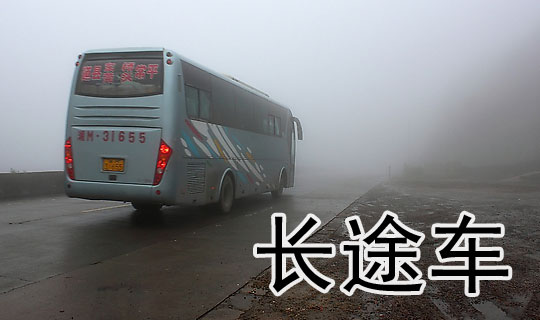
How long does the distance need to be to call it a 长途汽车? What do you call an intercity bus that is not overnight - for example a 2-3 hour trip? Is it still a "long distance bus" or just a 汽车?
abigalemFebruary 2, 2015
I'm still trying to wrap my head around when to use "de" (得). From the grammar section it looks like "吃得完" and "吃完" would both be correct, just have different meanings. Am I correct to think 吃得完 means "able to finish" and 吃完 means "is finished" (it's a fact, not a possibility). So you would really only use 吃得完 before you've actually eaten, because you're talking about what you think is possible in the future.
Is that true? Any other tips about when to use 得?

tony.cpodNovember 7, 2014
Sorry if this isn't such a simple question to answer, but what is the difference between 次 and 号 when talking about numbers? I see 次 is used for "train number" in this dialogue, and I also know that 号 can mean "number", but I don't know how the two words are used differently...could anybody please advise?
abigalemFebruary 2, 2015
I think "次" is usually used for "time" as in "the first time (第一次)" or "last time (上次)". 号 usually means number, as in an address or a bus number, like "bus number 883". So I think in this dialogue, 次 is used a bit differently to mean "that one", as in "the 9:30 one" = "上午9:30次". If the train had a specific number, like train A53, you would say "A53号".
nicholassmithOctober 14, 2014
我有一个问题。在对话里面他说“赶得上”。 也可以说“来得及”吗?”赶得上“ 和 ”来得及“ 有什么区别?
xianlu100October 20, 2014
The use of 赶得上is more limited. 赶means to catch up, it is usually used when talking about catching up a ride(bus, train, plane, etc).

rosamagliolaOctober 22, 2014
赶得上:赶is a verb:the motion of walk 走,赶is walk in speed , eg: 赶快。趕得上:if hurry,you make it!造句:赶得上這班車
ivanorosSeptember 30, 2014
I had the same experience but it was about 24 hours where everybody snore loudly.
我也有一样的感受 但乘了24小时 的长途汽车。 我还记得 车上很吵 每个人大呼 太响了!
please feel free to correct if i did mistake in both of language :) english is not my mother tongue

Jillian@ChinesePodSeptember 30, 2014
The English would be: I had the same experience. It was a 24 hour trip and everyone was snoring very loudly!
*Please feel free to correct my mistakes in either language.
:)
What did you notice in this lesson?
You are posting as a guest. Your reply is reviewed before it appears. Log in to post without review.