


chrisJuly 15, 2012
I have recently started sitting in the front passenger seat more often, for this very reason. In my experience, there is little point in asking the driver to dig out the back seat seatbelts. So many people take taxis now in downtown Shanghai that he will simply drive off and find the next, less fussy, fare within seconds.

bababardwanJuly 15, 2012
Chris, I'm curious, if this is the case, why [by implication] you were inclined to sit in the back in the past?
chrisJuly 15, 2012
I guess it's just the conservatism of older age catching up with me mate. I'm not as much of a risk-taker as I used to be!
gumulanJune 30, 2012
I really found this lesson useful both for the vocab and cultural explanation - thank you! Explains why my Chinese friends have always laughed at me when I've told them to buckle up.
谷沐岚

zaphekiahJune 30, 2012
I have a question about 一万. I thought this meant "just in case", probably because I misunderstood my Chinese friend trying to explain it to me. How would you actually say "just in case", for example in reply to the question "why are you taking an umbrella?".

zaphekiahJuly 1, 2012
...Actually 一万 isn't even in my dictionary. Both expressions are 万一, and thinking about it I can see how "what if" and "just in case" are very closely related ideas. I think I was half remembering the expression 不怕一万,只怕万一 and that is what confused me.

dmcastrillonJune 21, 2012
我去年在上海坐出租车的时候也出了事,撞到前边的车,前边的司机故意把车停住了。后来我和朋友打算换一辆,不过师傅让我们等一等跟警察说话,解释情况,哈哈真好奇。

timothygstoutJune 15, 2012
不好意思,我写中文写的不太好,可是我试试一个留言。
我的奶奶不喜欢系安全带。他96岁。我接她的时候,她老问我“提慕,你不让我系安全带对吧。”哈哈!我觉得怎么办?没有办法。他是我的奶奶,我不要顶嘴了。

guolanJune 15, 2012
当时你在什么国家?在美国的话,你可以这样解释,“奶奶,不系安全带,我会被罚款了“。很多老人不愿意浪费钱,她可能会为了钱的原因改变想法,系安全带。
听起来,你是一个最好的孙子!

psychousan-_-June 14, 2012
Very useful lesson!... :) I just wanted to say that during my stay in Taiwan for a year I always heard them saying
擊安全帶 (系安全带)
as "jì ān quán dài" and never "xì ān quán dài". Of course there might as well be an area of Taiwan, where I haven't been to, and they might pronounce it like that.

markJune 14, 2012
I remember a co-worker who made a big fuss about seatbelts, and leaving plenty of time to go to the airport. I think he earned some "special treatment". He got his ride to the airport a couple hours earlier than I did, but arrived at the airport later than I did and almost missed his flight. I think this was the revenge of the administrative assistants.

ejrungeJune 12, 2012
Shanghai taxi drivers are safe enough. If you tell them to slow down, they will. They can't afford to get a 200 RMB fine for driving on the bike path. I just wish they were really from Shanghai and knew the city.

adragonJune 10, 2012
Useful lesson... I lost count of how many times I had similar discussion with chinese taxi drivers and wonder what the heck they do with the seat belts, and why...
I tried to explain that at 80km-h accident, which isnt much, the passenger is likely to die if not weating a seatbelt, but it doesn´t help. What helped was hiring a private transportation company in the cities I was most often for the the longest comutes, you guys might consider that option.
I am more afraid for my life when I take a taxi in China, then when I go rock-climbing here in Germany :-)

kiriwaiJune 10, 2012
Yep, vocab is as Jerryrock says, otherwise another great lesson - as always - using practical high frequency words along with introducing new, valuable, daily life words. Clear delivery, no superfluous dialogue, at the same time memorable. And the grammar section is much appreciated, addng another valuable dimension to the lesson, another focus point. Thanks CP.


jerryrockJune 7, 2012
I am getting many strange characters for the Vocabulary section of this exercise, as below:
南京路
Nánjīng Lù
Nanjing Street
play
mute
师傅
shīfu
driver
play
mute
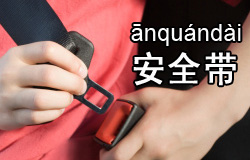
安全带
Ä�nquándÃi
seat belt
The remainder of the lesson appears normally.



jerrystrubJune 7, 2012
I see many comments about how drivers in Shanghai drive but I always find it very organized and civil. Maybe because I am usually just arriving to Shanghai after a week in India... :)



brendaninausJune 6, 2012
I did have a dnagerous experience with a taxi when we enetered a cab, only to notice the driver was quite drunk.
We immediately exited the vehicle, and when some locals heard us say that he was drunk, they forced the taxi to stop and they started dishing at some of their own punishment to the driver. A quite unpleasant experience.
What did you notice in this lesson?
You are posting as a guest. Your reply is reviewed before it appears. Log in to post without review.